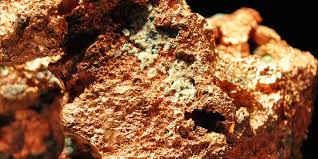
Katanga, a mineral-rich province in the Democratic Republic of Congo (DRC), has once again made headlines after a massive deposit of copper was uncovered after a mountain collapse. The natural event exposed an estimated 10 million tonnes of high-grade copper ore, reinforcing the DRC’s position as one of the most mineral-rich nations in the world. Still, the discovery has reignited discussions about the country’s economic challenges and struggle to translate natural wealth into tangible development.
The Discovery: A Game-Changer?
The mountain collapse occurred in early November near a mining site in Kolwezi, the heart of Katanga’s copper belt. Preliminary surveys show that the deposit contains some of the purest copper ore ever found in the region, potentially worth billions of dollars in global markets. Copper, a key material in renewable energy technologies and electronics, is experiencing surging demand worldwide, making the discovery timely and significant.
Mining companies and artisans miners have already started to flock to the area, intensifying competition for access and control. The DRC government, which heavily relies on mining for export revenues, has welcomed the discovery as a boost to its struggling economy. However, experts warn that the newfound wealth may exacerbate existing inequalities and environmental concerns without careful management.
DRC Rich in Resources, Struggling in Development
Despite abundant natural resources, including copper, cobalt, gold, and diamonds, the DRC remains one of the poorest countries. Over 60% of its population lives on less than $2 a day, and its infrastructure ranks among the least developed globally. While positive in recent years, the nation’s GDP growth has not kept pace with its vast potential.
The mining sector accounts for over 90% of the DRC’s export earnings, yet much of the wealth generated flows out of the country. Corruption, mismanagement, and conflict have plagued the industry, limiting its impact on domestic economic development. Moreover, local communities often bear the brunt of mining activities, facing displacement, environmental degradation, and unsafe working conditions.
Challenges and Opportunities
The discovery in Katanga highlights both the opportunities and challenges facing the DRC. If managed properly, the new copper reserves could significantly boost government revenues, funding much-needed infrastructure, education, and healthcare investments. However, this would require reforms to ensure transparency and equitable resource distribution.
International mining companies operating in the region are scrutinized for ethical practices and involving local stakeholders in decision-making. Meanwhile, activists are calling for the government to prioritize environmental sustainability and the rights of artisan miners, who often operate in hazardous conditions.
The Katanga copper discovery reminds the DRC of its immense resource wealth and untapped potential. As the global spotlight again turns to the country’s mining sector, the challenge lies in ensuring that this new opportunity translates into meaningful development for its people. Without structural changes, the DRC risks perpetuating the paradox of poverty amid plenty. For now, the world watches as the nation navigates this critical juncture in its economic and social journey.
Discover more from Global-360 Africa
Subscribe to get the latest posts sent to your email.