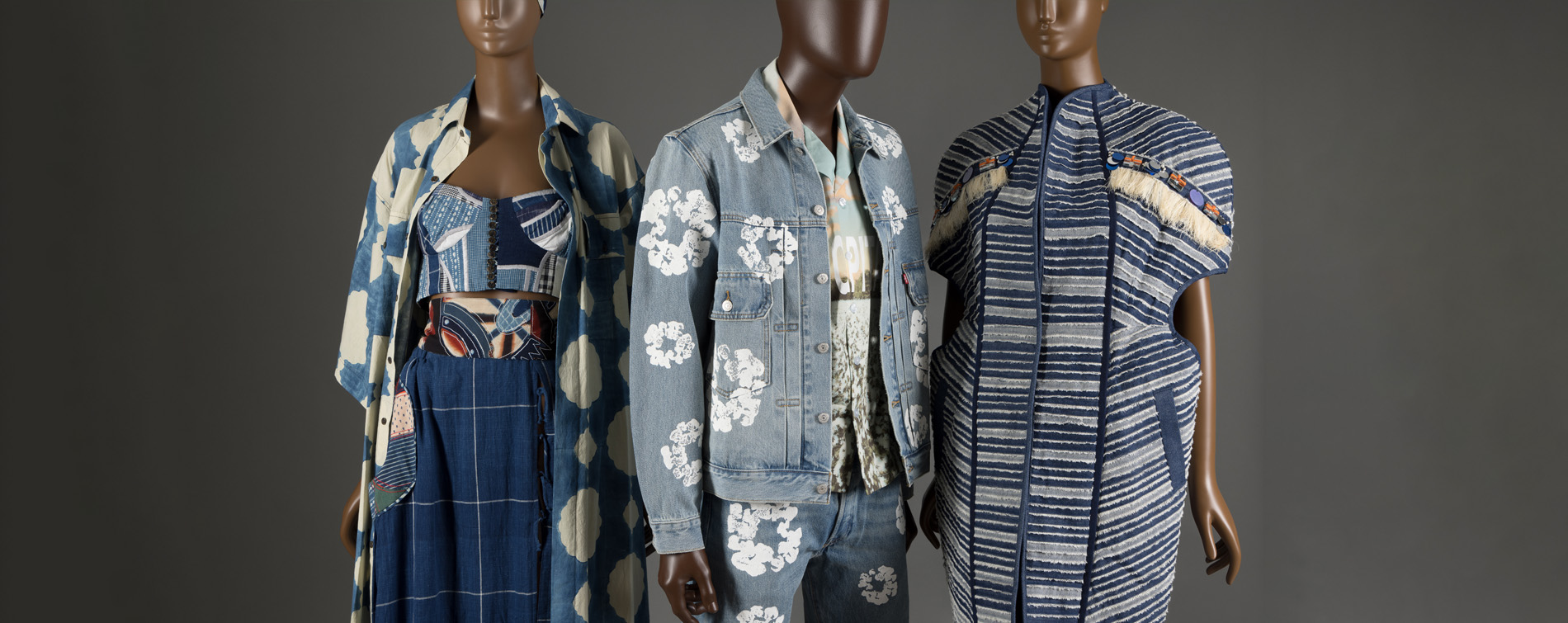

The Museum at FIT (MFIT) proudly unveils “Africa’s Fashion Diaspora,” an extraordinary exhibition spotlighting the transformative role of fashion in the Black diaspora. This groundbreaking showcase is the first to delve into fashion as a form of cross-diasporic cultural expression, featuring over sixty newly acquired ensembles and accessories by Black designers from Africa, Europe, North and South America, and the Caribbean.

The exhibition explores how Black designers draw from their own and others’ cultural heritages to create complex, interconnected narratives. The themes span geography, ethnicity, gender, and more, reflecting an enduring scholarly interest in Black cultural connectivity championed by figures like W.E.B. DuBois, Frantz Fanon, and Kwame Nkrumah.
Among the nine themes is “Reaching for Africa,” which examines how Black American designers like Patrick Kelly and Arthur McGee incorporate African elements into their work. This theme highlights designs that both idealize and reclaim African cultural heritage, emphasizing Black solidarity and cultural celebration.
“Mothers and Motherlands” showcases how family, lineage, and tradition influence fashion design. South African designer Thebe Magugu honors Tswana motherhood with his 2023 Mother and Child dress, while Fabrice Simon modernizes Haitian beading techniques through his family’s fashion business.
“A Black Atlantic” focuses on transatlantic cultural exchanges, with designers like Olivier Rousteing drawing from Black American cowboy aesthetics for his 2021 Balmain collection, and Kente Gentlemen from Côte d’Ivoire celebrating global Black musicians.
The “Homegoing” section highlights designers exploring their familial roots. Dutch designers Giorgio and Onitcha Toppin’s KABRA collection reflects their Surinamese heritage, and Telfar Clemens’ 2021 Olympic uniforms for Liberia celebrate his birthplace.
“History Is Political” illustrates fashion’s power to communicate suppressed histories. Tremaine Emory’s Denim Tears collections with Levi’s link enslaved labor to global capitalism, while Esteban Sinisterra Paz’s designs for Colombia’s first Black vice president, Francia Márquez, use wax print textiles to signify contemporary history-making.
“Transcendent and Supernatural” explores religious and mythological influences, featuring collaborations like Fe Noel’s depiction of the Yoruba goddess Oshun and Papa Oppong’s reinterpretation of Ghanaian witchcraft.
“Monumental Cloth” emphasizes the significance of traditional textiles, with designers like Pathé’O, Emmanuel Okoro, and Aurora James working with artisans to create modern fabrics rooted in historical practices.
In “Tun Yuh Han Mek Fashan,” Caribbean ingenuity and sustainability take center stage. Designers like Nairobi Apparel District and Dyandra Raye innovate with upcycled materials and vegan textiles to promote eco-friendly fashion.
“Ubuntu,” a Bantu word symbolizing community and compassion, highlights designers like Tracy Reese and Akosua Afriyie-Kumi, whose brands foster community support and fair labor practices.
“Africa’s Fashion Diaspora” ultimately underscores fashion’s pivotal role in global Black cultural production. The exhibition reveals how Black designers document, explore, and connect diverse cultural experiences, using fashion to tell stories of shared and evolving Black identities. The showcase runs at the Museum at FIT, inviting visitors to engage with these dynamic and richly interconnected narratives.
Discover more from Global-360 Africa
Subscribe to get the latest posts sent to your email.