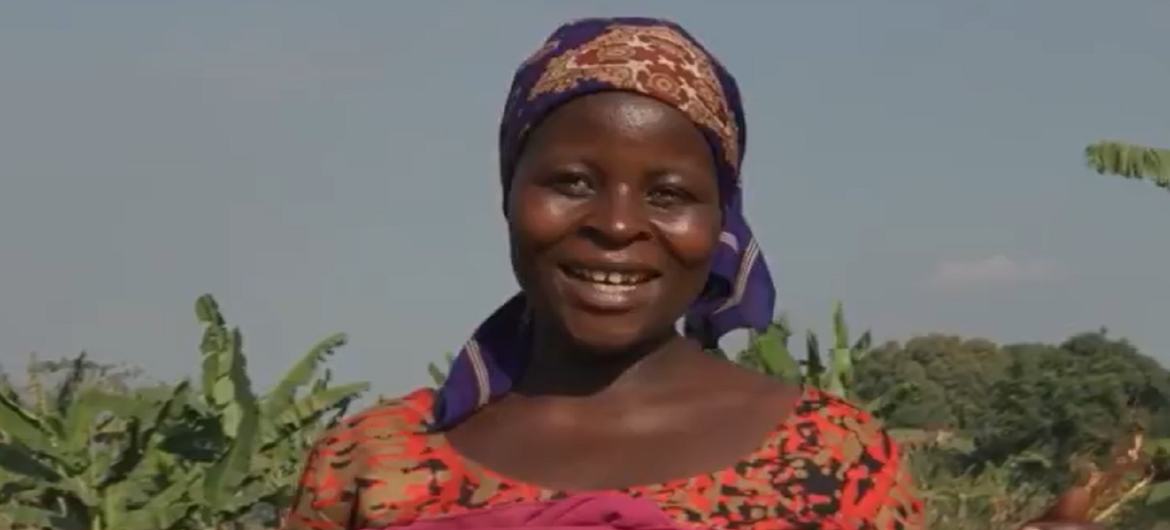
Dar es Salaam, October 10, 2024 – A high-level policy dialogue to advance policy, legal, and institutional reforms to promote gender-responsive land governance has commenced in Dar es Salaam, Tanzania. The event seeks to strengthen land administration and tackle long-standing women’s land rights issues.
Joan Kagwanja, Coordinator of the African Land Policy Centre (ALPC), highlighted the significance of the dialogue. “This discussion will produce a roadmap to ensure historical issues concerning women’s land rights are tackled, culminating in a policy brief as one of the key outputs,” she said.
The event involves validating a report that assesses barriers to women’s land ownership and tenure security and identifies capacity gaps in land administration institutions. This is especially relevant during the COVID-19 pandemic and other socio-economic shocks.
Tanzania’s Land Governance Journey
Tanzania has long been committed to land governance reforms. The government’s approach aligns with the African Union (AU) Declaration on Land Issues and Challenges in Africa, calling member states to develop land policies tailored to their needs. The National Land Policy, Land Act, and Village Act are key pieces of legislation to uphold women’s land rights and tenure security.
Since 2016, Tanzania has been involved in a six-country project focused on integrating land governance into agriculture, with support from the International Fund for Agricultural Development (IFAD) and the United Nations Economic Commission for Africa (ECA). By 2019, the Ministry of Lands, Housing, and Human Settlement Development sought ECA’s assistance to implement pilot projects targeting women for land tenure regularization.
ECA’s ongoing support continues under the Gender-responsive Land Governance in Africa initiative, focusing on enhancing women’s resilience, particularly in light of the COVID-19 pandemic. Validating the current study is part of these broader efforts.
Stakeholders and Future Steps
The full-day workshop gathers participants from key ministries, women’s land rights organizations like the Tanzania Women Lawyers Association (Tawla), the Stand for Her Land (S4HL) campaign, UN agencies, non-governmental organizations, and academic institutions. Traditional leaders, legal practitioners, and representatives from business and farming associations are also actively involved.
This dialogue marks another step forward in Tanzania’s efforts to tackle the gender disparities in land ownership and ensure equitable, resilient land governance systems.
Discover more from Global-360 Africa
Subscribe to get the latest posts sent to your email.