To date in Burundi there have been more than 14,000 suspected cases but no reported deaths from m-pox. Neighbouring Democratic Republic of the Congo, however, has seen nearly 21,900 suspected cases and 717 deaths.
Making classrooms safe
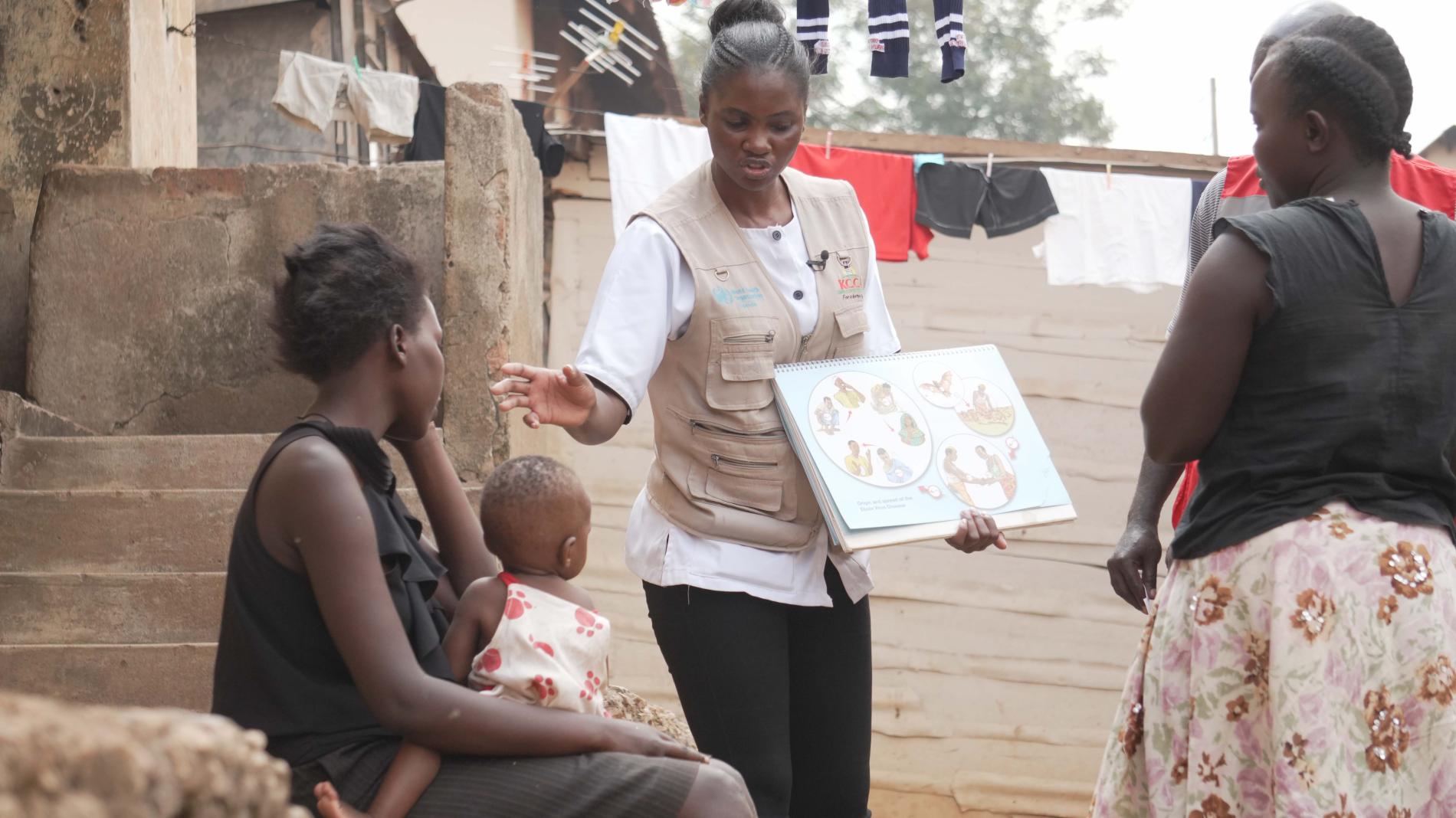
Following the start of the school year earlier this week in Burundi, the UN agency remains concerned about the rise of m-pox among children under five years of age, who represent 30 percent of reported cases – as in DRC. To help teachers and parents understand the risks and minimize disruption, the UN agency has supported the education authorities in implementing health measures in schools, training staff to recognize early symptoms of m-pox and reinforcing hand hygiene.
“Make no mistake, we don’t have all the answers. No one does. This is a rapidly evolving situation, with a new, infectious strain, and we are learning more every day about different modes of transmission. And with more information, we update our messaging and our response,” said Dr Ngwakum.
The UNICEF appeal will also provide mental health support for parents and frontline workers who may face hostility from some communities in part because of the association of m-pox with sex, which is responsible for some transmission – but by no means all of it.
Harmful stigma
“Sex in Africa is not something that is spoken of daily. And if they think you are having a sexually transmitted disease, it stigmatizes you as well,” explained Dr Ngwakum. “We try to explain that this is not the case. Most children have it from body-to-body contact or contact with animals or contact with infected materials, which is not have anything to do with human-to-human sexual contamination.”
Communities also remain fearful of a repeat of previous serious health outbreaks such as Ebola or COVID-19, “so there is an important role we are playing to dispel myths and calm fears”, the UNICEF official explained.
Highlighting the stark contrast between the high number of suspected deaths from m-pox in DRC and Burundi, Dr Margaret Harris from the UN World Health Organization (WHO) explained that this was likely owing to the longstanding humanitarian emergency in eastern DRC.
“Many of the children whom we’ve seen horribly, sadly die in the Democratic Republic of Congo were very immuno-suppressed through being severely malnourished and having suffered the effects of conflict and perhaps also having other diseases at the same time,” she told journalists in Geneva.
Discover more from Global-360 Africa
Subscribe to get the latest posts sent to your email.