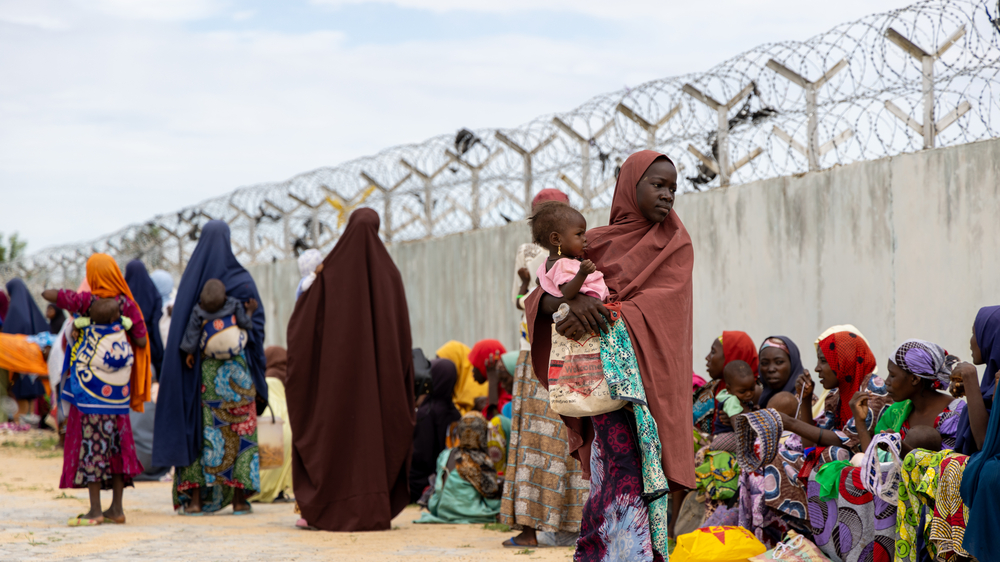

Médecins Sans Frontières (MSF) facilities in northern Nigeria are grappling with an unprecedented surge in admissions of severely malnourished children, far surpassing previous years’ figures. Driven by life-threatening complications, this surge has left medical facilities struggling to cope with double the number of admissions compared to last year in certain locations. Disturbingly, this influx is occurring earlier than expected, intensifying the urgency of the situation.
“We’re reaching a breaking point, treating patients on makeshift beds on the floor due to overcrowding. Children are losing their lives. Immediate intervention is imperative to prevent further casualties. It’s a collective responsibility to rescue these children from the grips of malnutrition and its devastating consequences,” urges Dr. Simba Tirima, MSF’s Country Representative in Nigeria.
Humanitarian aid must be rapidly escalated. MSF urges Nigerian authorities, international organizations, and donors to act swiftly to diagnose and treat malnourished children, averting further complications and fatalities. Moreover, sustained, long-term strategies are essential to address the root causes of this crisis.
“We’ve been sounding the alarm on escalating malnutrition for two years now. While 2022 and 2023 were critical, the situation in 2024 is even direr. We can’t afford to witness these tragic cycles year after year. What will it take for decisive action?” adds Dr. Tirima.

In April 2024, MSF’s medical team in Maiduguri admitted 1250 severely malnourished children, doubling the previous year’s figure. Forced to rapidly expand capacity, the center in Maiduguri accommodated 350 patients by the end of May, surpassing its initial capacity by a significant margin.
Similar trends were observed in other regions. In Bauchi state’s Kafin Madaki hospital, admissions of severely malnourished children surged by 188% in the first three months of 2024 compared to the same period last year. In Zamfara state, facilities in Shinkafi, Zurmi, and Talata Mafara witnessed substantial increases in admissions.
Despite these alarming trends, the humanitarian response remains inadequate, with organizations overwhelmed by the scale of the crisis. The recent appeal for funding by the United Nations and Nigerian authorities underscores the urgent need for action, yet more comprehensive support is required to address the widespread nutritional needs across northern Nigeria.
The ongoing crisis is exacerbated by multiple factors, including inflation, food insecurity, inadequate healthcare infrastructure, security challenges, and disease outbreaks. Addressing acute malnutrition demands a multifaceted approach encompassing both preventive and curative measures. Strengthening healthcare facilities, expanding vaccination programs, enhancing food security initiatives, improving water and sanitation, and raising awareness are crucial steps in combating this pressing issue.
Discover more from Global-360 Africa
Subscribe to get the latest posts sent to your email.